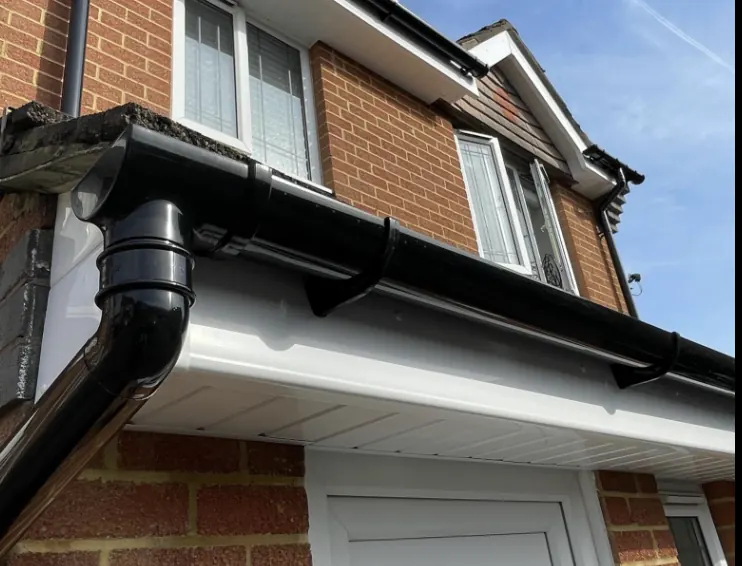
Guttering
Signs Your Property May Need New Guttering
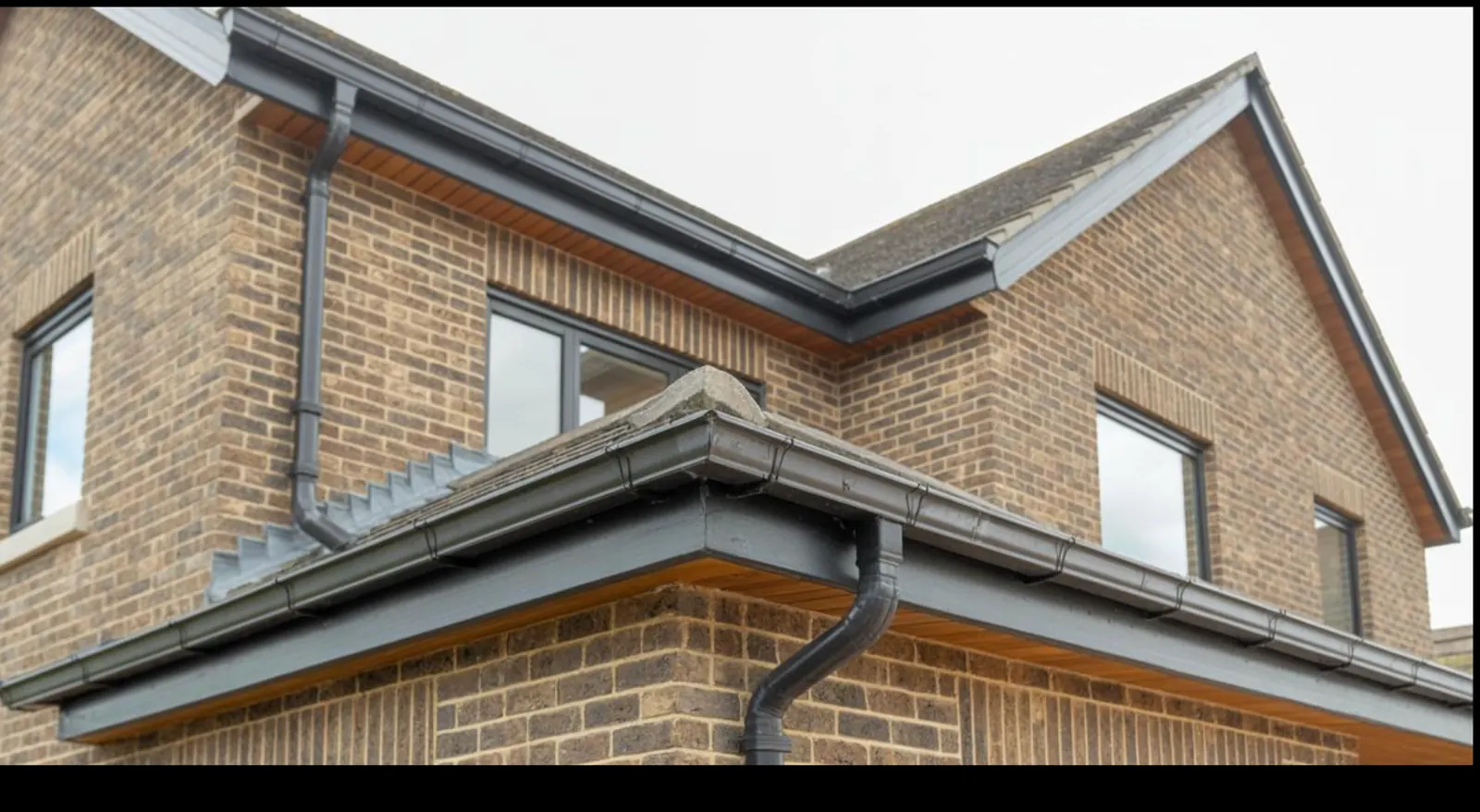
Guttering is one of those parts of a home that quietly gets on with its job until it stops working. When it is doing what it should, you barely notice it. When it fails, the consequences can be surprisingly serious, from damp patches on walls to damage to fascias, render and even the foundations of a property.
For homeowners in Whalley and the surrounding Ribble Valley, knowing the signs that your guttering may need replacing can help you avoid that damage and decide whether a repair will be enough or whether new guttering installation is the right choice. In this guide, H&H Roofing and Guttering explains what to look out for and what to consider before replacing your gutters.
What Good Guttering Does for Your Home
The job of your guttering is simple but vital: to catch the rainwater running off your roof and carry it safely away from your walls, windows and foundations. When that system works properly, water is directed to the downpipes and away from the building. When it does not, water runs where it should not, and over time that can lead to staining, damp and more serious structural problems.
Because guttering sits at the roofline, it also works alongside your fascias and soffits. If those boards are soft, rotting or no longer providing a secure fixing, the guttering they support will not perform as it should. That is why the condition of the whole roofline matters when you are thinking about replacing your gutters.
Signs Your Guttering May Need Replacing
Overflowing During Rain
If your gutters overflow during normal rainfall, it usually means they are blocked, damaged or no longer aligned properly. A blockage can sometimes be cleared, but if your gutters overflow regularly even after clearing, the system may have lost its fall or be too small for the roof it serves, and replacement could be the more practical option.
Sagging or Pulling Away
Gutters that are sagging or pulling away from the fascia boards are no longer doing their job well. Sagging often points to failed brackets, a gutter weighed down by standing water, or boards that are no longer sound behind them. In some cases the brackets can be replaced, but if the guttering itself has warped or aged, a full replacement is often the better long term answer.
Cracks, Splits and Leaking Joints
Over time, guttering can develop cracks and splits, particularly at joints and corners. Even a small crack lets water escape and run down the outside of the gutter, down the wall and potentially into the property. If you can see visible cracks or dripping joints when it rains, the guttering is reaching the end of its useful life.
Water Running Down External Walls
When gutters fail, water runs down the outside of your property rather than being carried away. Over time this can cause paint to peel, render to stain and damp patches to appear on exterior walls. If you notice these signs beneath your guttering, it is worth checking whether the gutters are the cause.
Age and General Wear
Guttering does not last forever. If yours is old, has been repaired several times, or is showing a combination of the signs above, it may be more economical to replace the whole system than to keep patching it up.
Repair or Replace: How to Decide
Not every gutter problem means you need a full replacement. A single leaking joint, a broken bracket or a blockage can often be sorted quickly and cost effectively with a straightforward gutter repair. However, when problems keep recurring, or the guttering is old and showing wear across the system, replacing it entirely is often the better value option.
It can also make sense to replace your guttering at the same time as new fascias and soffits or a new roof, so the whole roofline is completed neatly in one go rather than being revisited twice.
Why the Cause Matters
Before replacing guttering, it is important to understand what is actually causing the problem. Overflowing might be down to a blockage, an incorrect fall, undersized gutters or damage further along the run. Replacing the guttering without addressing the underlying cause may simply move the problem along rather than solving it. A proper assessment makes sure the new system is fitted to work properly from the start.
Guttering requirements vary depending on the size and pitch of your roof, the amount of rainfall your area typically sees and the condition of your existing roofline. The right solution is one based on your particular property rather than a general assumption.
What New Guttering Involves
A new guttering installation typically involves removing the old gutters and downpipes, checking the fascia boards behind them, and fitting a new UPVC system with the correct falls and secure fixings. Downpipes are positioned to carry water well away from the foundations, and the whole system is aligned so that water flows freely rather than pooling in any section.
We can talk through the styles and colours available and recommend what would suit your home, whether you need a practical replacement or a style that matches the character of your property.
Get in Touch
If you think your Whalley home may need new guttering, or you would like a professional assessment of your existing gutters, contact H&H Roofing and Guttering or call us on 07438 108445. We install and replace guttering throughout Whalley and the surrounding areas of Lancashire.