Flat Roofing
Common Flat Roofing Problems and When to Seek Advice
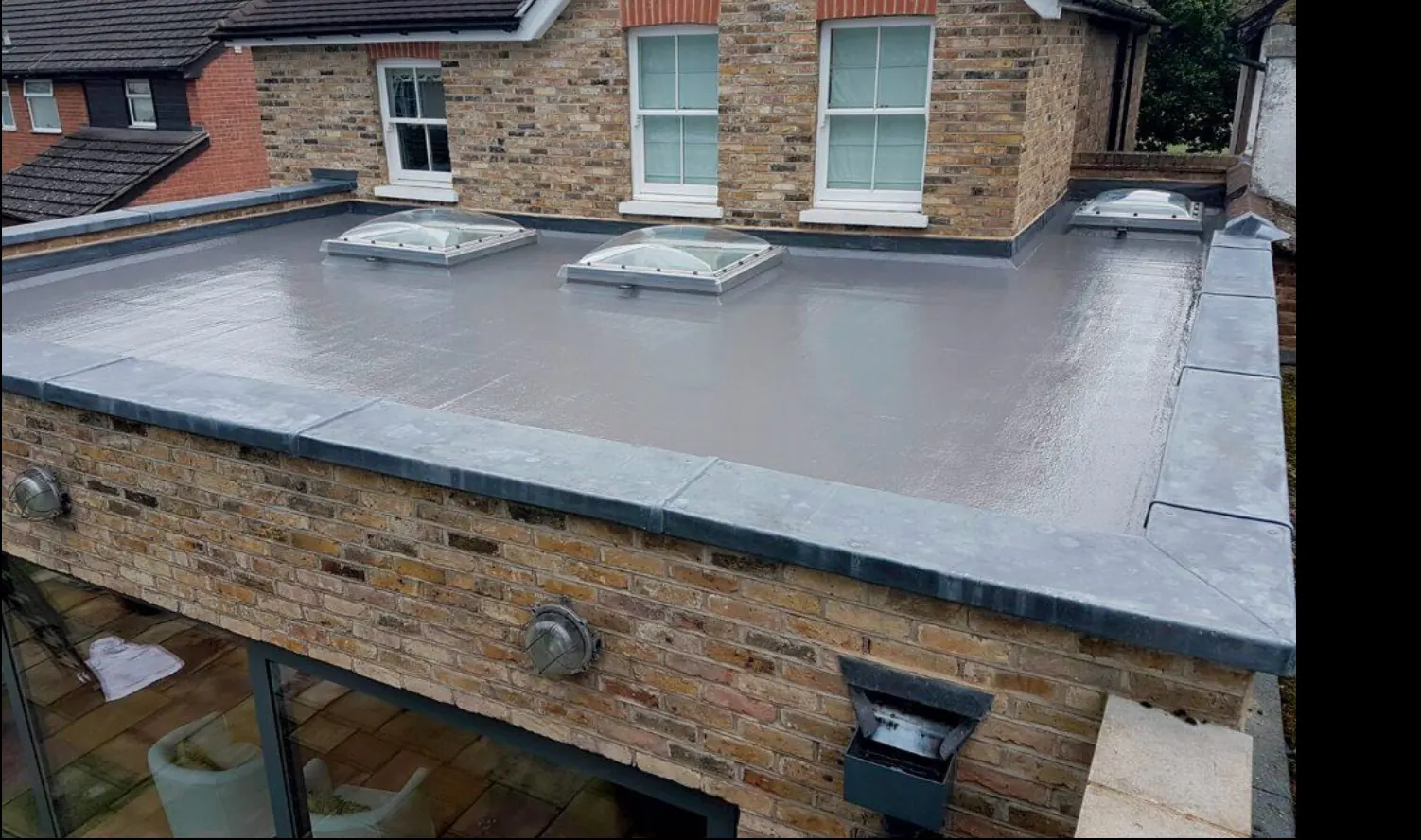
Flat roofs are a common feature on homes across Clitheroe and the wider Ribble Valley, appearing on extensions, garages, dormers, outbuildings and some types of commercial property. While modern flat roofing materials are designed to be durable and weathertight, flat roofs do face specific challenges that pitched roofs do not. Understanding these challenges can help you spot problems early and know when it is time to seek professional advice.
At H&H Roofing and Guttering, we install and repair flat roofing throughout Clitheroe, Great Harwood, Ribchester, Longridge and the surrounding areas. In this guide, we look at the most common flat roofing problems, what causes them, and what to do when you suspect your flat roof may need attention.
Why Flat Roofs Are Different
Unlike a pitched roof, which allows water to run off quickly, a flat roof has to manage water that sits on its surface: even the most carefully installed flat roof has a slight fall to direct water towards outlets, but water can still pool temporarily during heavy rain. This means the roofing material has to be completely waterproof and resistant to standing water, UV exposure and temperature changes.
Because the water does not run off as quickly, any weakness in the covering, a small split, a lifted edge or a failed joint, can allow water to penetrate. This is why flat roofs benefit from regular roof maintenance and prompt attention when problems appear.
Common Flat Roofing Problems
Ponding and Standing Water
One of the most common issues with flat roofs is ponding: where water collects and remains on the surface after rain. A small amount of water that drains away within a short time is not usually a problem, but if water sits on the roof for extended periods, it can put the roofing material under stress and eventually lead to deterioration and leaks. Ponding can be caused by inadequate falls, blocked outlets or sagging in the roof deck.
Blistering and Bubbling
If you notice blisters or bubbles in the surface of a flat roof, it usually means that moisture or air has become trapped beneath the covering. This is a common issue with older felt flat roofs and can eventually lead to splits and leaks if the blisters crack open. Blistering is a sign that the flat roof covering is ageing and may need attention.
Splits and Cracks
Flat roof coverings can develop splits and cracks over time, particularly where the material is under tension or exposed to temperature fluctuations. These cracks allow water to penetrate the structure beneath, and even a small split can be the start of a more serious leak. If you can see splits when inspecting your flat roof, it is worth seeking advice.
Failed Joints and Seams
The joints and seams where sections of flat roofing material meet are common weak points. If the seal at a joint fails, water can enter. This is particularly common around upstands, edges and where the flat roof meets vertical walls or parapets.
Damage to Flashings and Edges
The edges and flashings of a flat roof help keep water out at the perimeter. If these are damaged, lifted or deteriorating, water can get behind the roofing covering and cause damage to the structure beneath.
What Causes Flat Roof Problems?
Flat roofing issues can develop for a range of reasons:
- Age and wear. All roofing materials have a natural lifespan, and older flat roofs are more prone to problems.
- Weather exposure. UV rays, temperature changes, frost and heavy rain all take their toll over the years.
- Poor installation. A flat roof that was not installed with the correct falls or proper jointing will be more prone to ponding and leaks.
- Lack of maintenance. Flat roofs benefit from regular inspection. Neglected roofs are more likely to develop problems that go unnoticed until they become serious.
- Blocked drainage. If the outlets or drainage points are blocked, water cannot drain away and will pool on the surface.
Repair or Replace?
When a flat roof develops a problem, the first question is usually whether it can be repaired or whether it needs replacing. The answer depends on the age and condition of the roof, the extent of the damage and the type of material.
A single split or a small area of damage on a relatively new flat roof can often be repaired. However, if the roof is old, has multiple areas of damage, or the covering is blistering and cracking across the surface, a full replacement may be the more practical and cost-effective option. We always give honest advice: if a repair will solve the problem, we will tell you. If the roof has reached the end of its life, we will explain your replacement options and talk through the materials available.
Flat Roofing Materials
There are several types of flat roofing material available, each with different characteristics:
- Felt. A traditional flat roofing material that is laid in layers. Modern felt systems are more durable than older versions.
- EPDM rubber. A single-ply membrane system known for its durability and resistance to weathering.
- GRP fibreglass. A seamless, hard-wearing option that provides a very durable finish.
The best material depends on your roof, how you use the space and your budget. We can advise on what would suit your property.
When to Seek Professional Advice
If you notice any of the following, it is sensible to arrange a flat roof inspection:
- Water pooling that does not drain away
- Blisters, bubbles or splits in the surface
- Damp patches on ceilings beneath the flat roof
- Visible damage to edges or flashings
- The roof is old and you have not had it inspected recently
Flat roofing requirements can vary depending on the property, the roof design, the existing materials and access. A professional inspection is the best way to understand what your flat roof needs.
Get in Touch
If you are concerned about your flat roof, contact H&H Roofing and Guttering or call 07438 108445. We assess, repair and install flat roofs throughout Clitheroe and the surrounding areas of Lancashire.